A Saturday Market Morning on the Gulf Coast, Season by Season
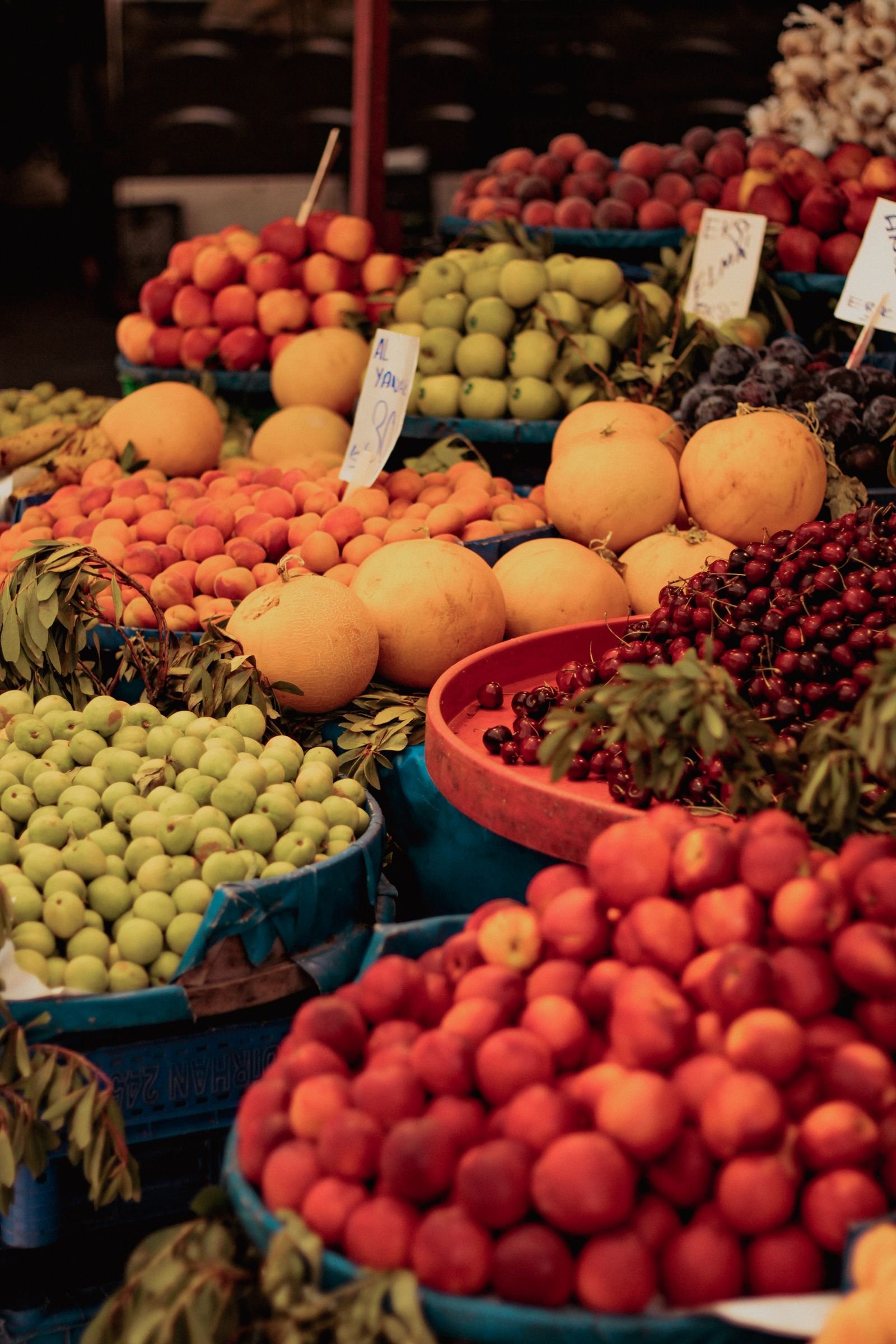
It is 7:40 on a Saturday morning in January. The air is cool enough for a light jacket, which on the Gulf Coast counts as a special occasion, and the market is already busy. The strawberry table has a line. A tomato grower is stacking boxes. Someone is handing out citrus samples with a paring knife and a grin.
We shop a small weekend market near the test kitchen most Saturdays during the growing season, both for our own tables and to see what is at its best before we plan recipes. This is how a morning goes, and what we have learned about shopping by season in our corner of Florida.
Our seasons run upside down
If you moved here from somewhere with cold winters, the calendar takes some adjusting. In much of the country, summer is the big market season. In Southwest Florida, the heat, heavy rain, and insects of summer are hard on many vegetable crops, so the busiest growing stretch runs roughly from fall through spring. Many local markets slow down or pause for part of the summer.
Here is a rough sketch of the year from our shopping bag. Exact timing shifts with the weather, so treat it as a sketch rather than a schedule:
- Fall: the first lettuces and greens, herbs like cilantro and dill, peppers, eggplant, and the return of market regulars after summer.
- Winter: citrus, strawberries, tomatoes, cabbage, broccoli, radishes, and plenty of leafy greens.
- Spring: sweet corn, green beans, squash, cucumbers, and the last good tomatoes before the heat.
- Summer: tropical fruit like mangoes and avocados, okra, and heat-tolerant greens, often from farm stands rather than weekly markets.
How a market morning actually runs
We have a routine, refined over many Saturdays and more than a few mornings of buying far too much:
- Go early. The best produce and the shortest lines come in the first hour, and so does the coolest air.
- Walk the whole market once without buying. This is the hardest step. It keeps you from grabbing the first beautiful tomatoes and then finding better ones three stalls down.
- Talk to the growers. Ask what is especially good this week, what is ending soon, and what is coming next. People who grow food are usually happy to explain it.
- Buy sturdy things first and delicate things last. Potatoes and cabbage go at the bottom of the bag. Berries and herbs ride on top.
- Bring a cooler bag. Even in January, a car in the sun warms up fast. If you buy eggs, cheese, meat, or seafood, keep them cold with an ice pack and head straight home.
Choosing well without squeezing everything
Growers appreciate shoppers who look more than they poke. A few cues we rely on:
- Tomatoes: heavy for their size, with deep, even color and a fresh, green smell near the stem.
- Strawberries: red all the way to the shoulders, fragrant, and dry. Check the bottom of the container for crushed berries.
- Citrus: heavy for its size, with thin, slightly glossy skin. Surface marks are often only cosmetic.
- Greens: perky leaves and fresh-looking stem ends, with nothing wilted or slimy.
- Sweet corn: bright green husks that hug the ear, and silk that is golden and just slightly sticky.
Getting it home and keeping it good
The work continues in the kitchen. Tomatoes stay on the counter, stem side down and out of direct sun, until they are fully ripe. Strawberries go into the fridge unwashed, spread on a paper towel if there is room, and get rinsed just before eating. Herbs get their stems trimmed and stand in a jar of water like flowers. Greens are washed, spun dry, and stored in a container lined with a towel. Sweet corn gets cooked as soon as we can manage, because its sweetness fades the longer it sits.
We also rinse produce under cool running water before cutting or eating it, including things with peels we do not eat, like melons and citrus, so the knife does not carry anything from the outside to the inside.
Letting the market write the menu
Here is the shift that matters most. We do not bring a strict list to the market. We bring a loose idea, like something with greens and something for dessert, and let the tables fill in the details. A glut of cherry tomatoes becomes a sheet-pan pasta. A bag of slightly scuffed citrus becomes a syrup for the week. A bunch of radishes gets eaten on buttered bread before it ever meets a recipe card.
Some of our favorite cards started exactly that way: a Saturday bag, an improvised dinner, and a scribbled note that said make this again, properly. Then, of course, it got cooked twice. By the time it was filed the season had usually moved on, but it comes back every year, and so do we: early, with a cooler bag and a jacket we will need for about an hour.