Buying Gulf Shrimp: Fresh, Frozen, Sizes, and Keeping Them Cold
Start at the freezer case. We know that sounds backward for a kitchen a short drive from the Gulf, but the best shrimp we buy for testing are very often frozen. Here is why, along with everything else we have learned about choosing, sizing, cleaning, and storing shrimp so they cook up sweet and snappy instead of mushy or rubbery.
Fresh versus frozen, honestly
Shrimp are fragile. Once they come out of the water, their quality starts to slip quickly, which is why a lot of shrimp are frozen soon after they are caught. That means much of the shrimp you see on ice at a seafood counter was frozen at some point and then thawed for display. There is nothing wrong with that, but it does mean the shrimp may have been sitting thawed for a while, and refreezing it will cost you texture.
Truly fresh, never-frozen shrimp from a trusted local source can be wonderful. If you have that option and plan to cook the same day, take it. Otherwise, a bag of frozen shrimp gives you control: you thaw them exactly when you need them.
At a counter, ask whether the shrimp were previously frozen. A good fishmonger will tell you. Then use your senses:
- Smell: clean and mildly briny, like the sea. Any whiff of ammonia is a pass.
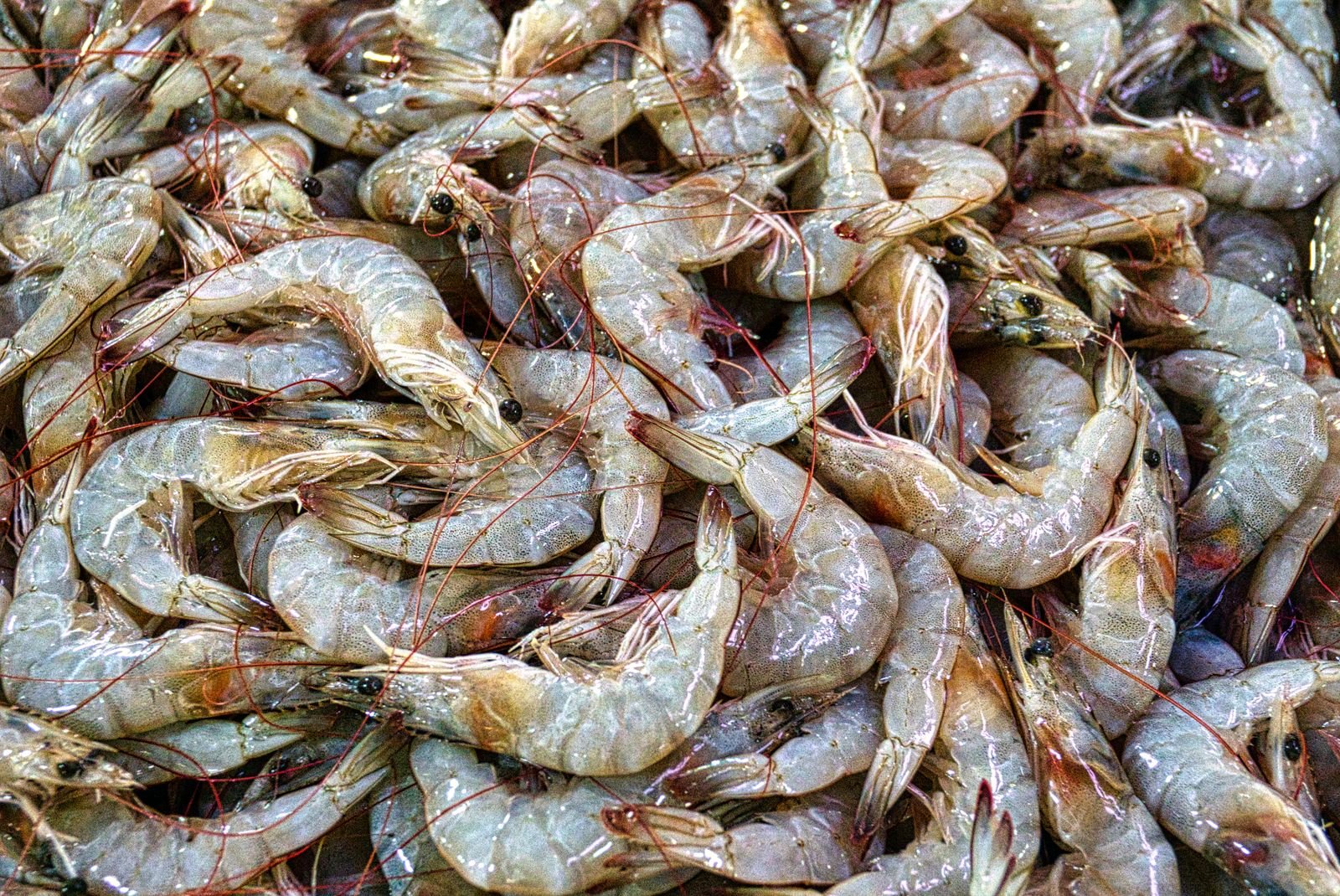
- Look: firm, glossy flesh that fills the shell. Avoid black spots along the body or shells that look slimy.
- Feel: shrimp should spring back a little, not feel soft or mushy.
For frozen bags, look for shrimp that are frozen separately rather than fused into one solid block, and skip bags with lots of ice crystals or freezer burn, which suggest they thawed and refroze along the way. Check the label for the country or region of origin if Gulf shrimp matter to you.
What the numbers on the bag mean
Shrimp are sized by count per pound, and the label shows a range. A bag marked 21/25 holds between 21 and 25 shrimp in a pound. Lower numbers mean bigger shrimp. A U means under, so U15 means fewer than 15 per pound. Words like jumbo and large are not standardized, so trust the numbers instead.
How we use the sizes in the test kitchen:
- 16/20 and larger: grilling, broiling, and anything where the shrimp is the star. They are more forgiving about overcooking.
- 21/25 to 31/35: our everyday range for sauteing, pasta, and tacos.
- 41/50 and smaller: fried rice, soups, dips, and salads, where you want shrimp in every bite.
Our recipe cards always list the count we tested with. If you swap sizes, the cooking time changes, so watch the shrimp instead of the clock.
Thawing and deveining
The safest way to thaw frozen shrimp is overnight in the refrigerator, in a bowl to catch drips. For same-day cooking, seal them in a zip-top bag and submerge the bag in cold tap water, changing the water every 30 minutes; small and medium shrimp are often ready in well under an hour. Cook shrimp thawed this way right away. Do not thaw shrimp on the counter or in warm water.
The dark line along the back of a shrimp is its digestive tract, usually called the vein. Removing it is mainly about texture and appearance; in large shrimp it can be gritty. To devein:
- Peel the shell away from the legs, leaving the tail on if you like a handle.
- With a small paring knife, make a shallow cut along the curved back, about 1/8 inch deep.
- Lift out the vein with the tip of the knife and rinse the shrimp briefly under cold water.
- Pat dry with paper towels before cooking. Dry shrimp brown; wet shrimp steam.
Kitchen scissors also work well: snip down the back through the shell, then peel and pull out the vein in one motion. Save the shells in the freezer for a quick stock.
Keeping raw shrimp cold, and cooking them through
Raw seafood needs to stay cold from the store to the pan. On the Gulf Coast, that means a cooler bag with an ice pack in the car for most of the year, and picking up seafood last so it spends as little time out of refrigeration as possible. Perishable food should not sit out for more than two hours, or more than one hour when it is above 90F, which describes a lot of our summer afternoons.
At home, keep raw shrimp in the coldest part of the refrigerator, at 40F or below, and cook fresh or thawed shrimp within a day or two. Set them in a container on a low shelf so nothing drips onto other food. Frozen shrimp belong in a freezer at 0F and are at their best quality within a few months.
Wash your hands, boards, and knives with hot, soapy water after handling raw shrimp, and keep raw shrimp away from anything that will be eaten without cooking.
Cook shrimp until the flesh is opaque and pearly all the way through and the shells or surface have turned pink. For medium shrimp in a hot skillet, that is often only 2 to 3 minutes in total. They curl as they cook: a loose C shape is a good sign, while a tight O usually means they went a little too far. If you are unsure, cut the thickest one open. Opaque in the center means done.
That is the whole card. Buy with your nose, read the numbers, keep them cold, and cook them just until opaque. The Gulf does the rest.