Meal Prep Without the Sad Containers: Cook Components, Not Meals
We have all opened the fridge on a Wednesday and met the sad container. It is the one packed so hopefully on Sunday: rice, chicken, broccoli, and a little sauce, now several days into a slow merge into one flavor and one texture. You eat it because you made it. You do not enjoy it.
The problem is not meal prep. The problem is assembling finished meals too early. In the test kitchen, when we cook ahead for our own weeknights, we prep components instead: separate building blocks that hold up on their own and combine differently each night.
Think in five boxes
Most satisfying weeknight bowls, plates, and wraps are built from the same five kinds of parts. Prep one or two from each and you have a week of options:
- A base: rice, farro, potatoes, noodles, or a sturdy green like kale.
- A protein: roasted chicken thighs, a pot of beans, hard-cooked eggs, baked tofu, or seasoned ground turkey.
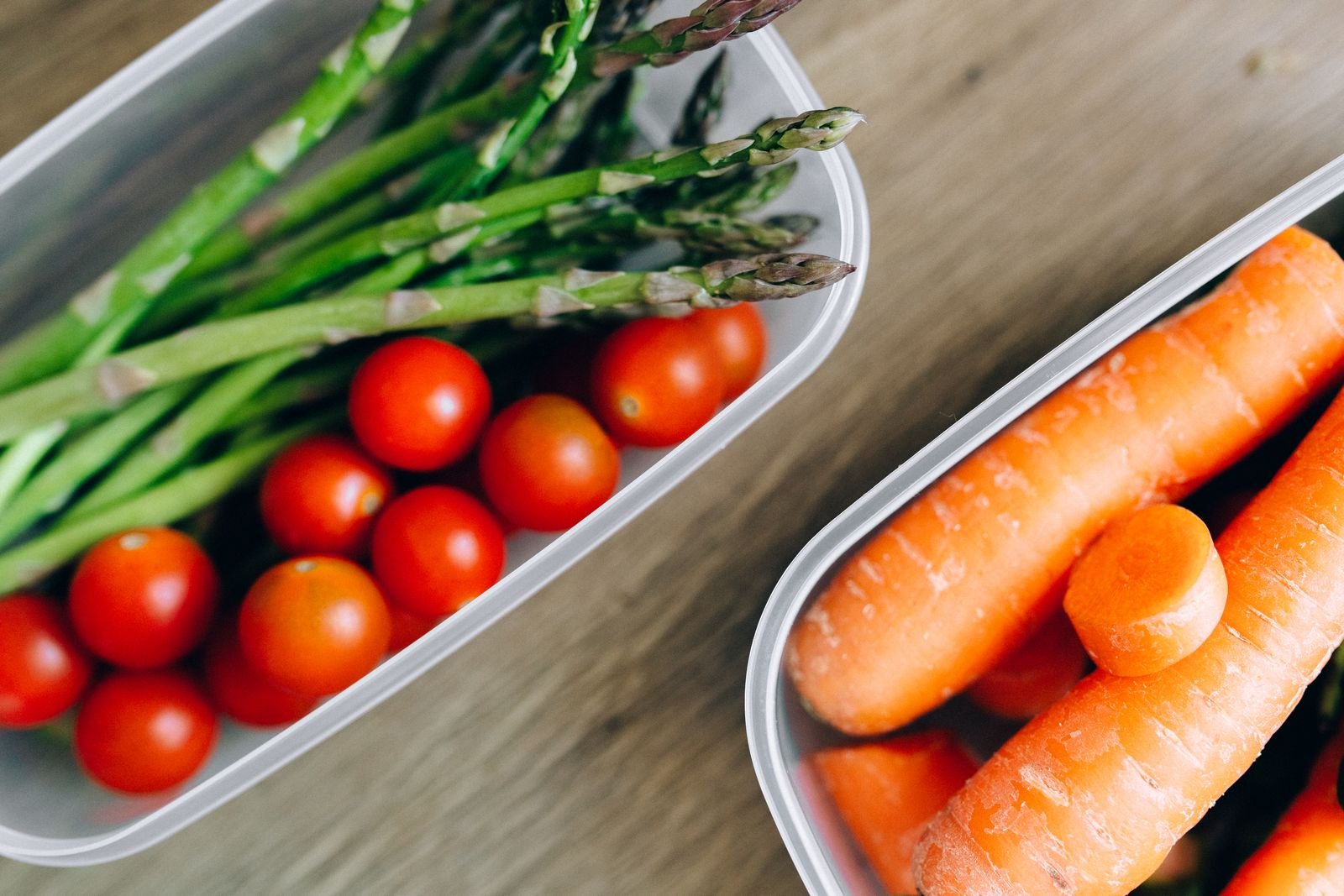
- A cooked vegetable: a tray of roasted peppers, onions, squash, or broccoli.
- A sauce: a lemony herb sauce, a peanut-lime dressing, a yogurt sauce, or a simple vinaigrette.
- Something crunchy or fresh: toasted nuts, quick-pickled onions, sliced cucumbers, or shredded cabbage.
Monday, that might be rice, chicken, roasted peppers, herb sauce, and pickled onions. Tuesday, the same chicken goes into a tortilla with cabbage and yogurt sauce. Thursday, the beans and the last of the peppers go over a baked potato. Same prep, three dinners that do not feel like reruns.
A two-hour Sunday session
Components also make the prep session calmer, because most of them cook without much attention. Here is how a typical session runs for us:
- Start the oven first. Heat it to 425F and get the vegetables and chicken onto separate sheet pans.
- Get the stovetop going. Start a pot of grains and, if you are cooking dried beans, a pot of beans.
- Make sauces while things cook. Most take five minutes and a blender or a jar with a tight lid.
- Handle the crunch last. Toast nuts in a dry skillet, slice onions into a jar of vinegar, and wash and dry greens.
- Cool quickly, then pack. More on that below, because it matters most.
Cooling and storing safely
Cooking ahead only works if the food stays safe. The rules are not complicated, but they are worth following closely:
- Get cooked food into the fridge within two hours, or within one hour if the room is above 90F. On a warm Florida afternoon with the oven on, that is not hypothetical.
- Cool quickly by spreading out. A deep pot of hot rice or beans stays warm in the middle for a long time. Divide it into shallow containers so it chills faster.
- Keep your fridge at 40F or below. An inexpensive fridge thermometer takes the guessing out of it.
- Eat cooked components within three to four days. For anything meant for later in the week, freeze a portion on day one.
- Reheat leftovers until steaming hot all the way through, to 165F if you are checking with a thermometer.
Cooked rice deserves a special mention. Cool it promptly and refrigerate it, rather than leaving the pot sitting on the stove all afternoon.
What keeps well, and what does not
Some foods are built for the fridge. Others are better made the day you eat them. After a lot of trial and error, this is roughly where we have landed:
Great for prepping ahead
- Beans, lentils, and whole grains, which often taste even better on day two.
- Roasted root vegetables, peppers, and onions.
- Braised or shredded meats stored in their own juices.
- Vinaigrettes, quick pickles, and most sturdy sauces.
Better done the day of
- Delicate greens, once dressed. Keep dressings separate until serving.
- Fried or crispy foods, which go soft in the fridge.
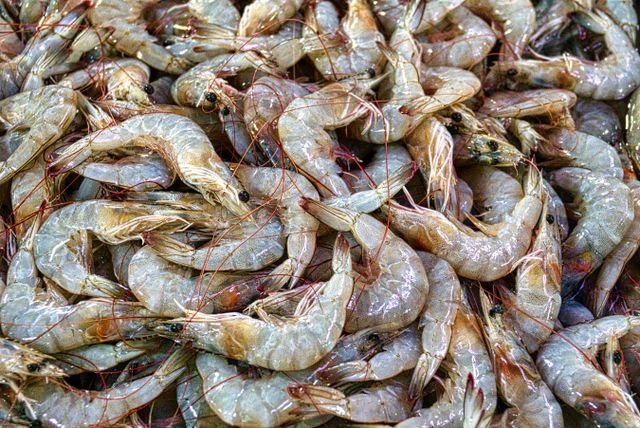
- Shrimp and fish, which are at their best freshly cooked and tend to toughen when reheated.
- Pasta already tossed in sauce, which drinks up the sauce and turns soft.
Containers that do not make you sad
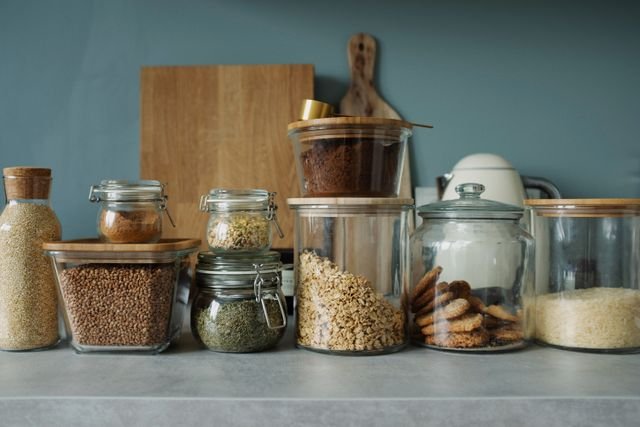
A few container habits help too. Pack components separately rather than layered together, so sauces do not soak into everything. Clear containers let you see what you have, which makes you far more likely to use it. Small jars for sauces mean you can pour exactly as much as you want. And a strip of tape with the date on each lid ends the quiet mystery of how old that container of beans really is.
When dinnertime comes, you are not reheating a meal you decided on days ago. You are assembling one you decided on five minutes ago, from parts that still taste like themselves. That small choice, made fresh each night, is what keeps the whole system from feeling like homework.